UFC 326 is headlined by the BMF title rematch: Charles Oliveira vs Max Holloway. It's the highest-level lightweight fight we're getting for a while. Both are former champions, both have evolved since their first meeting in 2015 – and the path to victory for Charles is clearer than the odds might suggest.
The one place Max Holloway can't run: the clinch. Charles Oliveira wins this rematch by making the fight unavoidable there. Pressure, clinch strikes, and opportunistic grappling. Here's the technical blueprint.
Why the Clinch Is Charles's Path to Victory
Charles isn't a subtle fighter. His strengths are obvious: he's one of the best submission artists in UFC history, he's improved his takedowns dramatically (body locks, singles, doubles), and he's versatile in the clinch – plum for knees to the head and body, jumping guillotines, dirty boxing, and perhaps most importantly, big right hands and left hooks as his opponents exit the pocket. He has great awareness with collar ties and he's always consistent with them. That's the tool that gave him success against strikers like Justin Gaethje, Dustin Poirier, and even Ilia Topuria.
Justin Gaethje already showed the blueprint. Charles does it better. In the Gaethje–Holloway fight, round four: Max finished a combination and started moving to his right to circle back to center. Gaethje threw up the lead hand to bait a ducking reaction. Max bit and tried to throw an uppercut – but Gaethje's real intention was to reach for the collar tie with the left hand. As Justin rose, he had the connection, and he landed a perfect right hook behind Max's ear. Max dropped. The sequence was clinch-adjacent, hand-fighting, and a single read. Charles does the exact same thing: he reaches with the left for the collar tie and lets the right hand fly. He did it to Gaethje. He replicated it versus Ilia. Against Max, who gets hit when pressured backward and whose chin has been cracked since the Ilia fight, that weapon is the key.
Charles's Clinch Weapons
- Plum (double collar tie) – Knees to the head and body; Max was oddly susceptible to knees from a post–hip replacement Dustin Poirier, a bad look vs a Thai-heavy Charles.
- Exit hooks – Right hand and left hook as opponents break away; Charles lands these consistently against better boxers.
- Collar-tie range – Lets him judge distance and feel the connection before throwing; Max tends to search for hand contact to gauge range, which plays into Charles's clinch entries.
Max's style is built around preventing pressure. Charles's style is all about creating pressure, panic, and chaos.
– The stylistic clash at the heart of UFC 326
Pressure and Footwork: Why Max Struggles When He Can't Run
Max Holloway is one of the best movers at 155 – consistent footwork, distance management, urgent to get back to center. He rarely lets himself get planted on the cage. But when he is pressured backward, the pattern is clear: he gets hit. Gaethje had success in round four when he turned up the pressure. Dustin Poirier had much of his success moving forward. Ilia's pressure led to the finish. Even in the Korean Zombie fight, Max was getting tagged when pressured backward by blitzes.
Charles, meanwhile, exerts constant forward pressure. He walked down Gaethje and Poirier. He bullied Arman Tsarukyan in the rematch. In every recent fight except the one where Tsarukyan took him down first, Charles has initiated a grappling sequence in round one – whether by takedown, body lock, or guard pull. He doesn't need to win the standup outright; he needs to survive long enough on the feet to close the distance, make the clinch unavoidable, and then either hurt Max there or get the fight to the mat.
The 2015 Fight and What Charles Must Do Differently
In their first fight, Charles did get the plum and a good knee to the body; Max showed good hustle to break away. Max also fought in southpaw and circled well to line up his straight shots and lead hook. But the biggest lesson is a single moment: Charles shot a double from a diagonal angle. Max dug an underhook. Because Charles's pressure wasn't driving directly into the cage, Max could plant his feet and use the underhook to push Charles up and to the left. Max got his hips away – he wasn't cage-bound – and Charles was forced to salvage the position by pulling guard. The fight turned from there.
2015 taught one lesson: Charles can't shoot from a diagonal. He has to drive Max to the cage. Front kicks, pressure, and cage geography. When Charles's forward pressure goes straight into the fence, Max can't shrug the takedown with an underhook the same way. That's the game plan from the Poirier fight applied here: kicking range or clinch, not pure boxing range, and when he shoots, it has to be with Max's back to the cage.

Striking on the Way In: Front Kicks, Leg Kicks, and Not Staying at Boxing Range
Charles has sharp linear attacks – straight crosses, front kicks, knees, uppercuts. He's good at occupying the center line. Versus Poirier, the plan was clear: use front kicks and clinch strikes to wear on Dustin and eventually force a mistake that opened a submission opportunity. The same template fits Max: don't stay at boxing range where Max's combinations and speed win. Get to kicking range or get connected in the clinch.
Ilia's game plan – legs, pressure, opportunistic grappling – is Charles's game plan. The difference is defense. Ilia had a solid defensive base and still ate a lot of shots from Max before hurting and finishing him. Charles's high guard has been figured out: Ilia split it with jabs, Gaethje and Poirier and Islam found success with hooks and long crosses, and even Tsarukyan punched around it in round two. So Charles can't afford to trade in the pocket for long. The discipline has to be: front kicks, level changes, cage-cutting pressure, and clinch. Avoid long exchanges at pure boxing range.
What Charles Must Do on the Feet
- Front kicks – Control range and disrupt Max's rhythm; Max has a tendency to "get the center back" after eating a front kick, which can open predictable entries.
- Level changes and feints – Keep Max guessing, set up takedowns when Max's back is near the cage.
- Avoid long exchanges at boxing range – Charles's defense won't hold up; the recovery time he gets is in the clinch and on the mat.
Max's Vulnerabilities: Chin, Grappling Unknown, and Pressure
Max's chin isn't what it was. Since the Ilia fight, he's been dropped by Poirier. He's shown his age in the trilogy with Dustin – still skilled, but the speed and durability have declined. Charles doesn't need to be faster than Max; he needs to survive on the feet long enough to close in, get the clinch or a takedown, and then either hurt Max in the clinch or submit him on the ground.
On the mat, Max is an unknown against this level of grappler. Brian Ortega doesn't have an elite wrestling bag. Volkanovski, Ilia, and Yair Rodriguez got Max down; Yair took his back. It's hard to justify Max's takedown defense as elite. He hasn't fought a persistent submission artist like Charles since Ortega – and Ortega at the time had few tools besides pulling guard. Charles is the most accomplished submission artist in the sport. If Charles gets the fight to the floor, there's no guarantee Max matches him in strength or skill. And Charles initiates grappling early in every fight. The question isn't whether Charles will get his hands on Max; it's whether Max can keep it standing and at range long enough to win on the scorecards or get a finish. The movement will cause problems – but it may only delay the inevitable.
Prediction: Hurt in the Clinch, Then Finish
The clinch is unavoidable for Max in this matchup. Charles will find it. And when he does, the threat isn't just the takedown – it's the strikes. A big knee, a right hook like the one Gaethje used to drop Max, or a shot as Max exits the clinch (the same way Charles hurt Gaethje). Once Max is hurt, Charles is a more reliable finisher than Gaethje or Poirier. Gaethje swarmed Max on the cage then backed off; Poirier went for a guillotine. Charles will swarm and hunt the submission. If Charles hurts Max in the clinch as the material suggests, he'll follow up and close it out.
So the pick: Charles Oliveira – by hurting Max in the clinch (knee or hook on the exit), then swarming and submitting him. The path is clear: pressure, front kicks, cage-cutting, clinch, and either damage there or a takedown and finish on the ground. Charles doesn't have to win a five-round boxing match. He has to survive the early exchanges, make the clinch the fight, and capitalize when Max is uncomfortable or hurt. That's the blueprint.
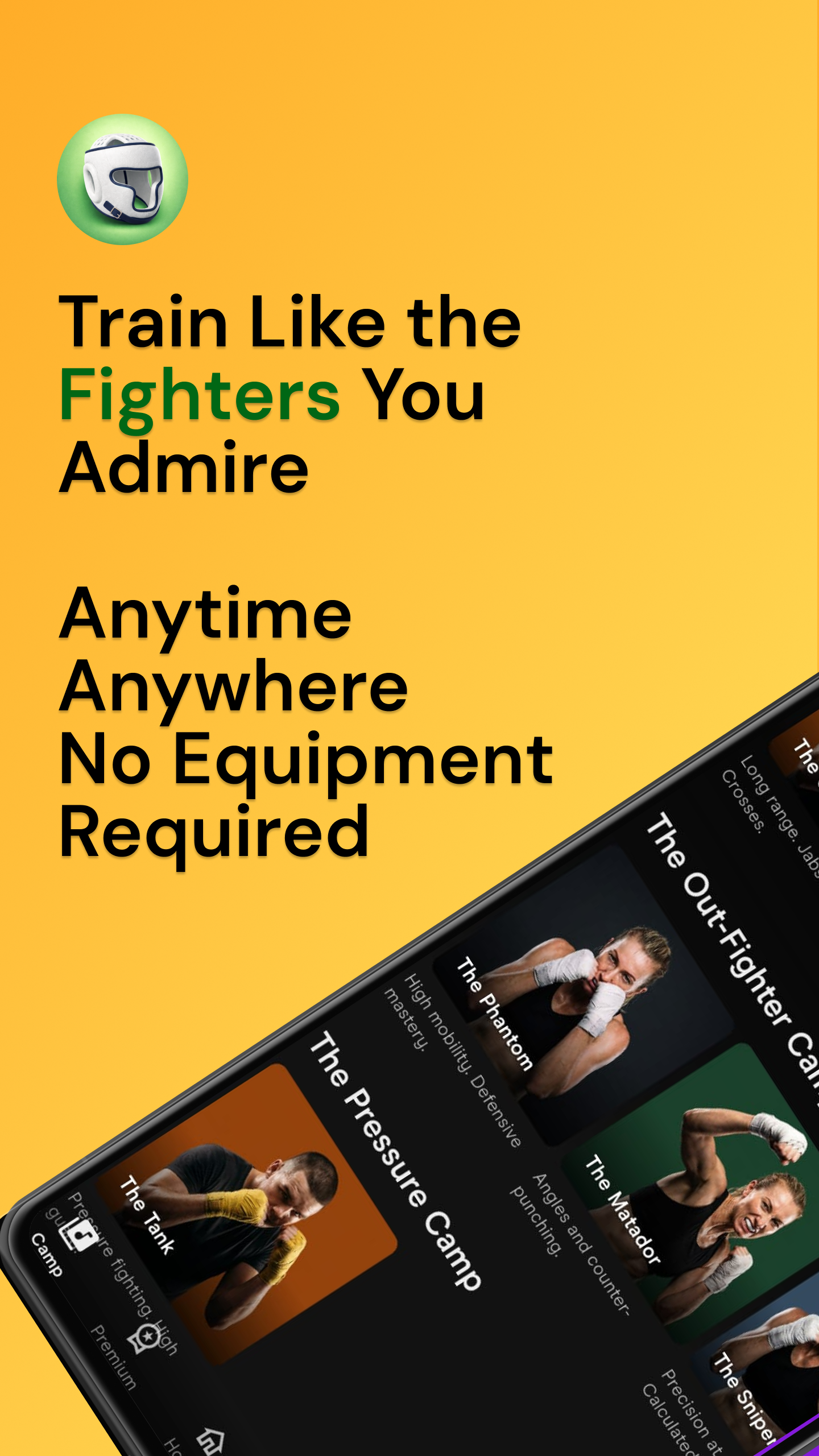


Train Pressure and Combos Like Charles
No equipment needed. PunchCamp gives you coach-style callouts, 1000+ combos, and structure so you can drill pressure, footwork, and combinations at home – the same concepts that make Charles dangerous in the clinch and on the feet.
Download PunchCamp – Free on Android