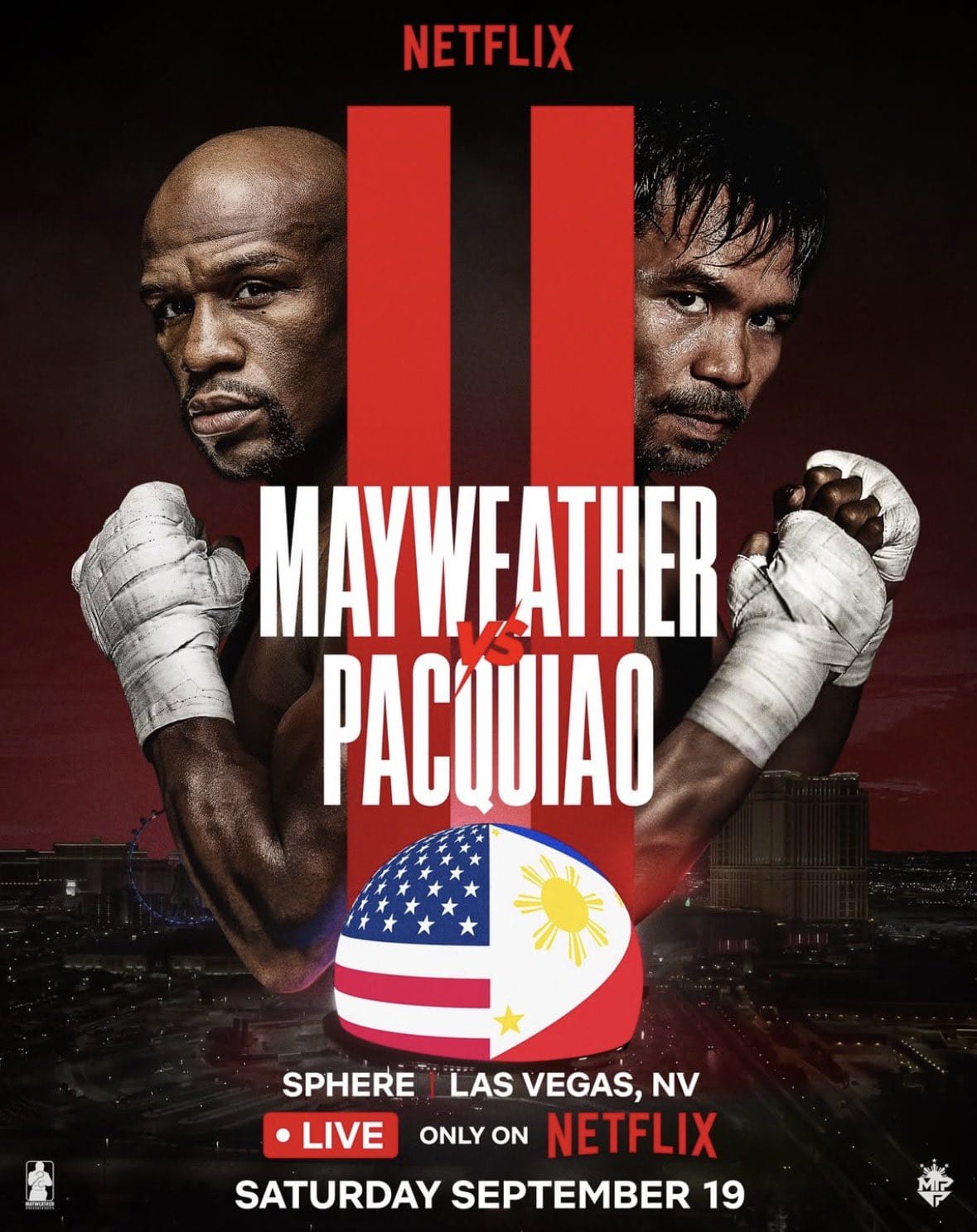
Hand speed was always one of Manny Pacquiao’s biggest advantages — and one of the main reasons the first fight was so frustrating for his side. In the rematch on September 19, 2026 (Sphere, Las Vegas, Netflix), the question isn’t whether Manny is faster; it’s whether his speed can be the thing that changes the result.
Speed only wins when it’s applied in the right places and in a way that doesn’t play into Floyd’s timing. Here’s the technical picture: what Manny’s speed does at its best, what went wrong in 2015, and what fast hands have to do this time.
Speed as a Weapon
Pacquiao’s speed shows up in his feet (cutting angles, closing distance) and his hands (volume combinations, lead left, hooks). When he’s at his best, he throws 5–6 punch combinations from odd angles and doesn’t let opponents set. That speed forces mistakes and can overwhelm defensive systems — including ones built on timing and positioning.
Studies have put his punch speed in the realm of 0.12 seconds — faster than a blink — with force figures that underscore speed and technique over raw size. Shane Mosley, who faced both men, said Manny has “something in his hands” that causes damage despite not being the physically stronger fighter: snap and technique. So the weapon is real. The problem in 2015 was that we didn’t see it often enough.
In fight one, Manny landed 81 of 429 (19%) and only 18 jabs in 12 rounds (CompuBox/ESPN). His punch count was “less than it has been,” as Dr. Neal ElAttrache noted post-fight when describing how the shoulder injury modulated Manny’s approach. Part of that was the shoulder; part was Floyd’s defense and range.
Film study noted that Pacquiao was “not using the angles he was supposed to be using” and was “constantly over-thinking” — and that Mayweather “controls when he makes opponents think too much.” So speed alone wasn’t the issue; speed deployed in the wrong way (tentative, straight-line, one-handed) played into Floyd’s hands. Speed only wins if it’s applied consistently and with purpose.
What Fast Hands Have to Do in the Rematch
For speed to matter against Mayweather, it has to do three things:
Create openings — Not just volume for its own sake, but volume that forces Floyd to commit or shell up so the next shot lands. That means combinations with a plan: body then head, feint then combo, jab to chest to close the shell then attack the head. Random flurries that land on arms don’t win rounds; speed that opens the guard and then lands clean does.
Land first — Beat Floyd’s pull counter and check hook by getting in and out or changing rhythm. If Manny’s lead left is predictable, Floyd will pull and counter. So the rematch demands variety: double jabs, feints, level changes, and entries from different angles so Floyd can’t time one response. The pull counter works when the opponent commits to one punch; speed with variety makes that harder.
Stay disciplined — Fast hands that chase Floyd into counters lose. The moment Manny overreaches or follows Floyd in a straight line, the check hook and lead right land. Speed with purpose — body then head, feint then combo, then reset — is what can win rounds. Teddy Atlas said Pacquiao was “not the same seek-and-destroy missile” and had lost the mentality; for the rematch, that mentality has to come back without the recklessness.
The Counter: Floyd’s Reaction Time
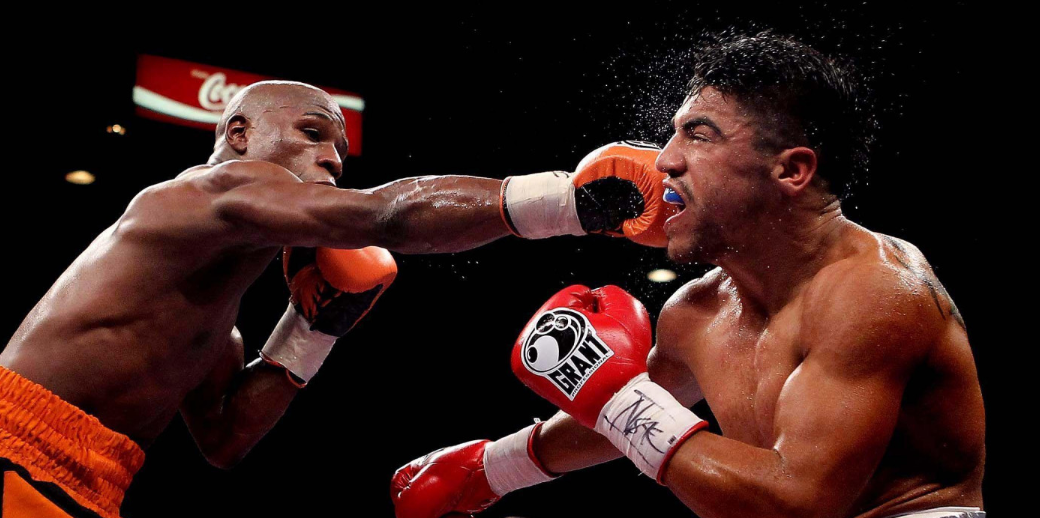
Floyd doesn’t need to be faster than Manny in raw hand speed. He needs to be faster to react. Robert Guerrero, who went 12 with Floyd: “You blink your eye and he is already reacting.” Andre Berto (FightHype) put it in game-plan terms: Floyd puts you in a place where you’re punching and he’s looking; if you keep swinging you hang yourself; he manages the clock, grabs when he needs to, then “Bop! Bop!” — just enough to win the round.
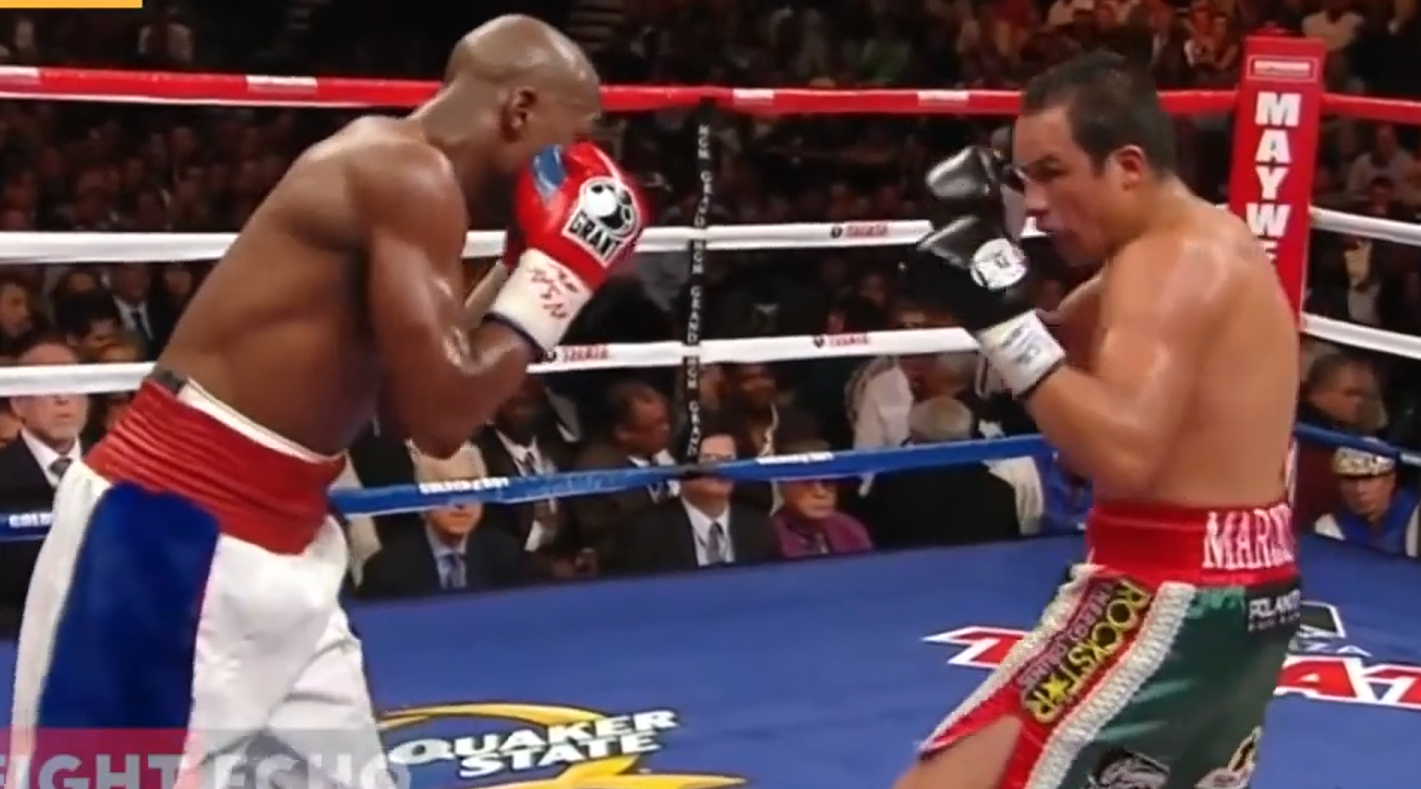
So the fight isn’t “who’s faster” in a footrace; it’s who wins exchange after exchange. Bloody Elbow’s breakdown of Floyd’s game stresses that his head moves with every punch and he’s never a stationary target; he either initiates the exchange or ends it by disengaging. That’s how he imposes his rhythm and shuts down aggressive opponents. If Manny’s speed is predictable or overcommits, Floyd’s counters will decide the round.
Speed in Other Fights: What We Know Works
When Manny’s speed has been at its best, it’s been combined with volume, angles, and a live right hand. Against bigger, slower opponents he’s used in-and-out movement and multi-punch combinations to overwhelm guards.
The first Mayweather fight was the opposite: low volume, minimal jab, right hand barely in the fight, and straight-line entries that let Floyd slip, block, or tie up and then land the lead right or jab. So the rematch isn’t about Manny being “faster” in the abstract — it’s about whether his speed is sharp and varied enough to win the exchange game. Healthy shoulder, right hand in play, and footwork that goes right and cuts angles would make his speed a different problem for Floyd. Without those, raw hand speed alone won’t be enough.
Train Like Floyd or Manny for the Rematch
PunchCamp's fight-style camps let you shadowbox like Mayweather (counter-punching, Philly Shell) or like Pacquiao (pressure, volume, combos). No equipment. Guided rounds. Get ready for September.
Download free on Android →For a full breakdown of Floyd's style — Philly Shell, shoulder roll, pull counter — see How to Box Like Floyd Mayweather: The 50-0 Blueprint.
![FightCamp Alternatives 2026 - Home Boxing Apps [Android]](../assets/fightcamp-alternatives/social-share.png)