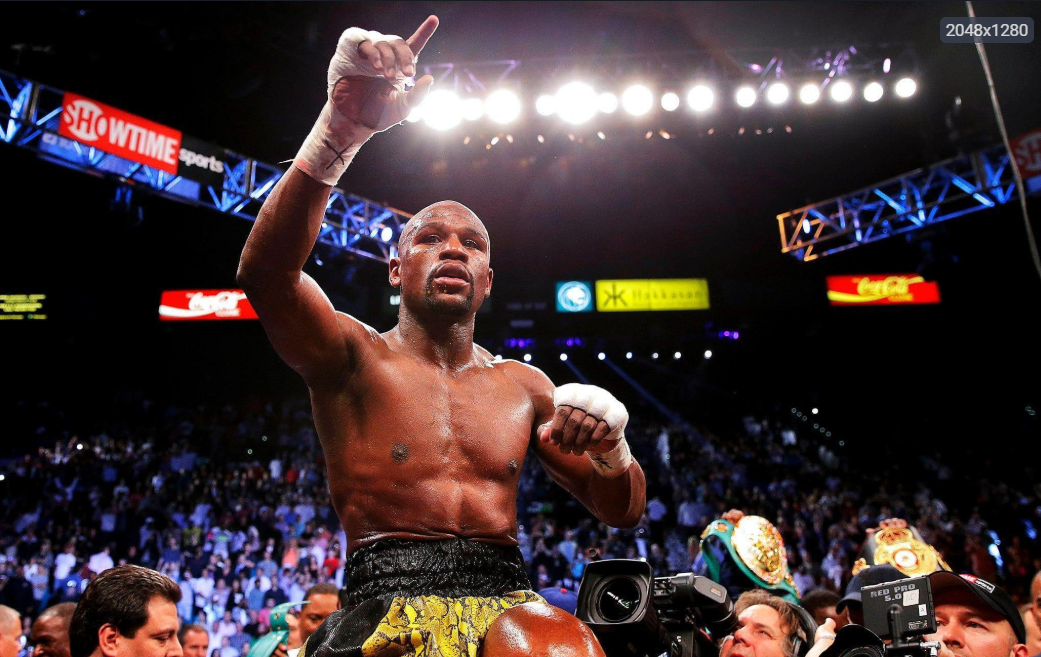
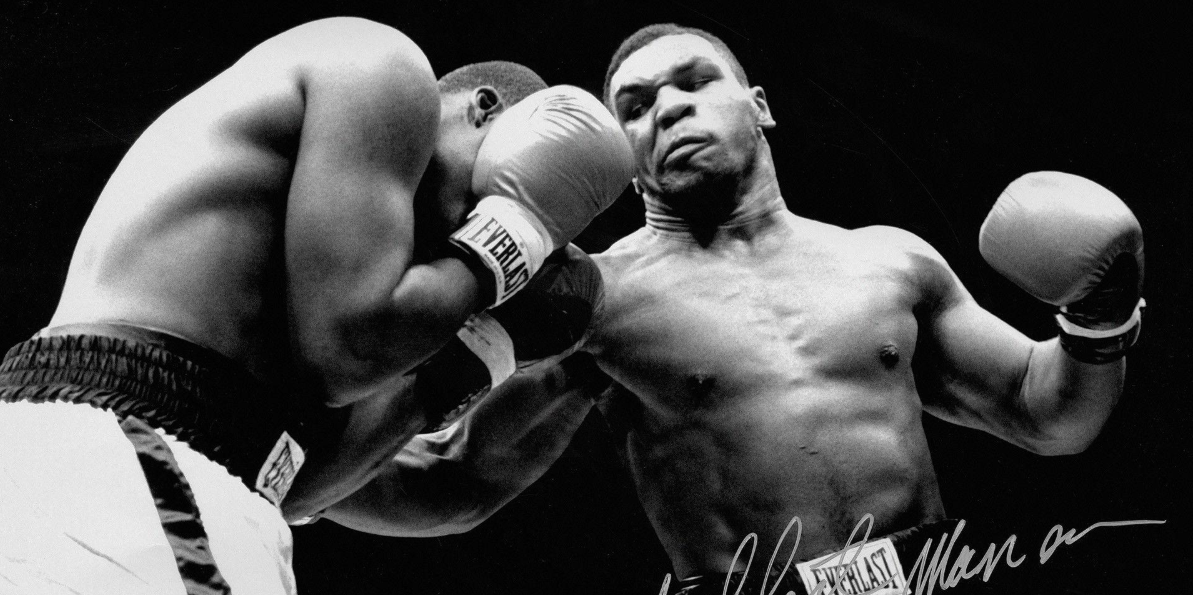
You've watched boxing matches, admired the footwork, the speed, the power. Now you want to learn. But here's the thing: you don't have a gym membership, you don't have a heavy bag, and you definitely don't have a personal trainer. Good news — you don't need any of that to start.
Shadowboxing is how every professional fighter trains, from Mike Tyson to Canelo Alvarez. It's free, requires zero equipment, and you can do it in your living room. This guide will teach you everything you need to start shadowboxing at home today.
What is Shadowboxing?
Shadowboxing is fighting an imaginary opponent. You throw punches, move your feet, slip, and weave — all without hitting anything. It sounds simple, but it's one of the most effective training methods in combat sports.
Why do pro fighters do it?
- Builds muscle memory for combinations
- Improves footwork and balance
- Develops cardio endurance
- Lets you practice technique without impact
- Burns 350-500 calories per hour
Unlike heavy bag work, shadowboxing lets you focus purely on form. There's no resistance to mask bad technique. If your punches are sloppy, you'll feel it.
What You Need to Get Started
Here's your complete equipment list:
- Space — About 6x6 feet of clear floor
- Comfortable clothes — Anything you can move in
- Optional: A mirror — Great for checking your form
That's it. No gloves, no bag, no gym. Just you and some space.
The Boxing Number System (1-6 Punches)
Before you start throwing punches, you need to learn the language. Every boxing gym uses a number system to call out punches. Once you know these six punches, you can follow any combination.
| Number | Punch | Hand |
|---|---|---|
| 1 | Jab | Lead hand (left for orthodox) |
| 2 | Cross | Rear hand (right for orthodox) |
| 3 | Lead Hook | Lead hand |
| 4 | Rear Hook | Rear hand |
| 5 | Lead Uppercut | Lead hand |
| 6 | Rear Uppercut | Rear hand |
Your First Shadowboxing Stance
Everything starts with a proper stance. Get this right, and your punches will have power and balance.
- Feet shoulder-width apart — Staggered, not side by side
- Lead foot forward — Pointing at your opponent (or mirror)
- Back foot at 45° — Heel slightly raised
- Knees slightly bent — Stay light and mobile
- Hands up — Fists by your cheekbones, elbows tucked
- Chin down — Protect your jaw
This is your "home base." Every punch starts and returns here.
Basic Punch Technique
The Jab (1)
Your most important punch. It sets up everything else.
- Extend your lead hand straight out
- Rotate your fist so palm faces down at full extension
- Snap it back immediately — don't leave it out there
- Keep your rear hand protecting your chin
The Cross (2)
Your power punch. Generates force from hip rotation.
- Rotate your rear hip forward as you punch
- Your rear foot pivots on the ball
- Punch travels straight, not looping
- Return to stance immediately
The Hook (3 & 4)
A short, devastating punch that comes from the side.
- Elbow stays bent at 90 degrees
- Power comes from rotating your hips and shoulders
- Imagine punching around a wall
- Keep it tight — wide hooks get countered
The Uppercut (5 & 6)
Comes from below, targeting the chin or body.
- Drop your shoulder slightly
- Drive up with your legs
- Palm faces you at impact
- Don't over-extend — keep it compact
Your First 3-Round Shadowboxing Workout
Now let's put it all together. This beginner workout will get you comfortable with basic combinations.
Round 1: Jabs Only (3 minutes)
Focus entirely on your jab. Move around, throw single jabs, double jabs, triple jabs. Concentrate on:
- Snapping the punch back quickly
- Keeping your other hand up
- Staying light on your feet
Rest 1 minute
Round 2: 1-2 Combination (3 minutes)
The jab-cross combo is boxing's bread and butter. Throw it over and over:
- Jab, then immediately cross
- Focus on hip rotation for the cross
- Move after each combo — don't stand still
Rest 1 minute
Round 3: Mix It Up (3 minutes)
Freestyle round. Throw any punches you want. Try:
- 1-2-3 (Jab-Cross-Hook)
- 1-1-2 (Double Jab-Cross)
- 1-2-5-2 (Jab-Cross-Lead Uppercut-Cross)
Done! Cool down and stretch.
Want Audio-Guided Shadowboxing Workouts?
PunchCamp calls out 1000+ combinations so you can focus on punching, not memorizing. 5+ hours of guided training across 6 fighting styles.
Download Free on Android →Common Beginner Mistakes to Avoid
1. Dropping Your Hands
The most common mistake. After every punch, your hands should return to your face. In a real fight, a dropped hand means a knockout.
2. Standing Still
Real boxing is constant movement. Practice stepping forward, backward, and side to side between combinations.
3. Holding Your Breath
Exhale sharply with each punch. Many fighters make a "shh" or "tss" sound. This keeps you relaxed and maintains rhythm.
4. Over-Extending Punches
Don't reach. Your punches should feel controlled, not like you're throwing your body forward. Over-extension kills your balance.
5. Ignoring Defense
Shadowboxing isn't just offense. Practice slipping (moving your head side to side) and rolling under imaginary punches.
How Often Should You Shadowbox?
For beginners, 3-4 sessions per week is ideal. Each session can be 15-30 minutes.
Here's a sample weekly schedule:
- Monday: 3 rounds focusing on jab and footwork
- Wednesday: 3 rounds practicing combinations
- Friday: 4-5 rounds freestyle shadowboxing
- Sunday: Optional light session or rest
Consistency beats intensity. A regular 15-minute practice will build skill faster than one brutal hour per week.
Taking Your Training to the Next Level
Once you're comfortable with basics, you can explore different fighting styles. Each style has a unique approach:
- Pressure Fighter — Constant forward movement, overwhelming volume (like Mike Tyson)
- Out-Fighter / Long Range — Keep distance, use the jab, control space (like Muhammad Ali)
- Counter-Puncher / Matador — Wait for opponents to attack, then strike (like Floyd Mayweather)
- Swarmer — Close distance fast, throw combinations inside (like Manny Pacquiao)
Training in different styles keeps your shadowboxing interesting and builds a more complete skill set.
"Shadowboxing is the fighter's meditation. It's where you find your rhythm, sharpen your instincts, and build the reflexes that show up when it matters."
Start Today
You don't need permission. You don't need equipment. You don't need to be athletic or coordinated. Every single professional boxer started exactly where you are now.
Clear some space in your living room. Put your hands up. Throw your first jab.
That's it — you're shadowboxing.
Train Like the Fighters You Admire
PunchCamp gives you 5+ hours of audio-guided shadowboxing workouts. Learn real fight styles with clear callouts. 100% free, 100% offline.
Get PunchCamp Free →