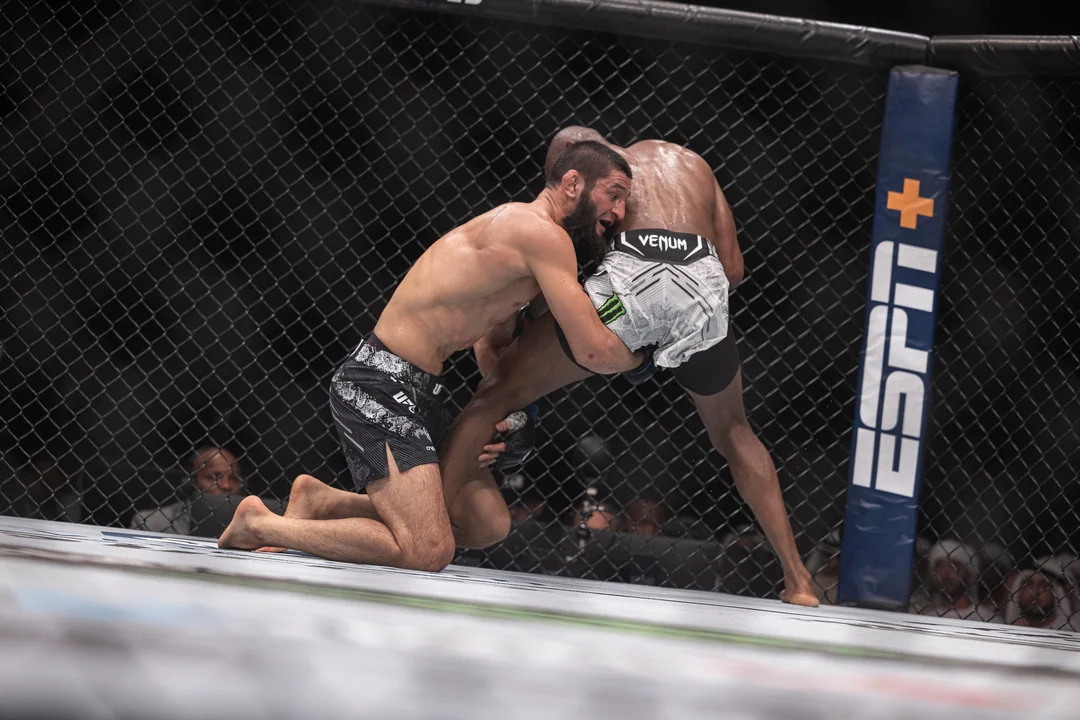
Editorial disclaimer: This article is opinion and analysis, not sports medicine. Nothing here diagnoses Khamzat Chimaev or accuses Treigning Lab of causing a loss. UFC 328 was decided by judges interpreting twenty-five minutes of combat — physiology is only one lens fans reach for when cards split.
The factual headline: Sean Strickland defeated Khamzat Chimaev by split decision at UFC 328. Official cards widely reported as 48–47, 48–47 for Strickland and 47–48 for Chimaev. No athletic commission attributed the outcome to “too much lifting.”
So why does social chatter keep dragging strength & conditioning into it — especially camps associated with elite output and brutal cardio blocks? Because MMA fans have a decade of narrative about Chimaev as a sprinter, because outlets documented violent training culture around his Strickland prep, and because “he gassed” is easier emotional shorthand than “Judge 3 weighted control differently.” This piece walks through (A) verified reporting, (B) Treigning Lab’s public positioning, and (C) generic physiology ideas — without collapsing them into a fake headline.
What Treigning Lab Sells (and Why MMA Fans Mentally File It Under “Hard Lab”)
Treigning Lab markets a high-touch performance system: baseline testing, individualized programming, recovery tooling, and continuous adjustment. Their own language stresses precision — but also pushing limits with oversight; their personalized training page describes monitoring volume and intensity to “prevent burnout and maximize adaptation.”
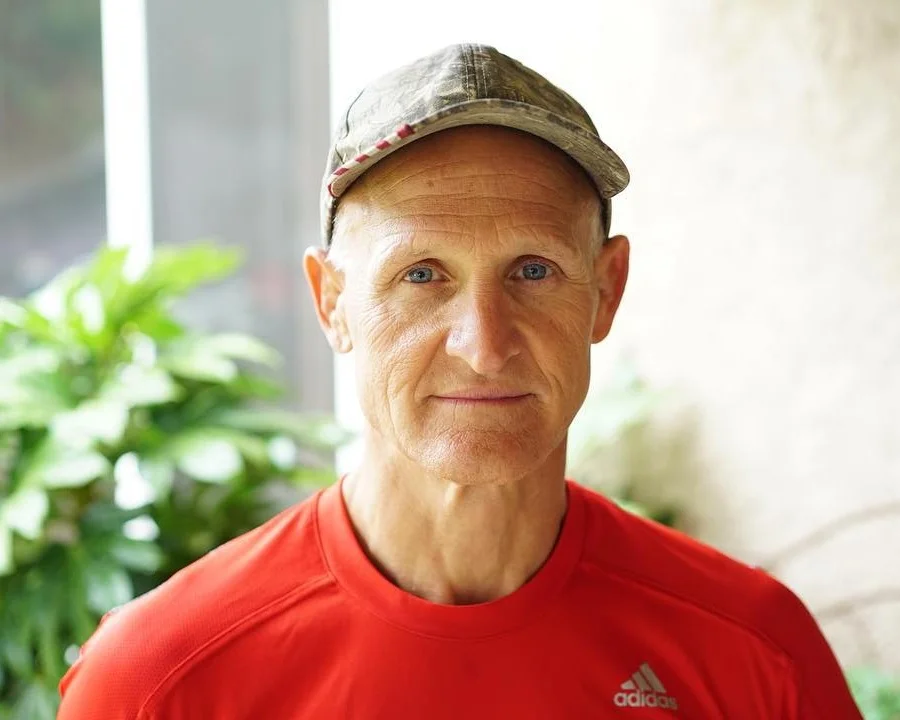
Fans conflate that brand universe with Sam Calavitta’s reputation for grueling conditioning work — fair or not — because MMA media repeatedly ties Calavitta-style circuits to elite fighters preparing for five-round fights.
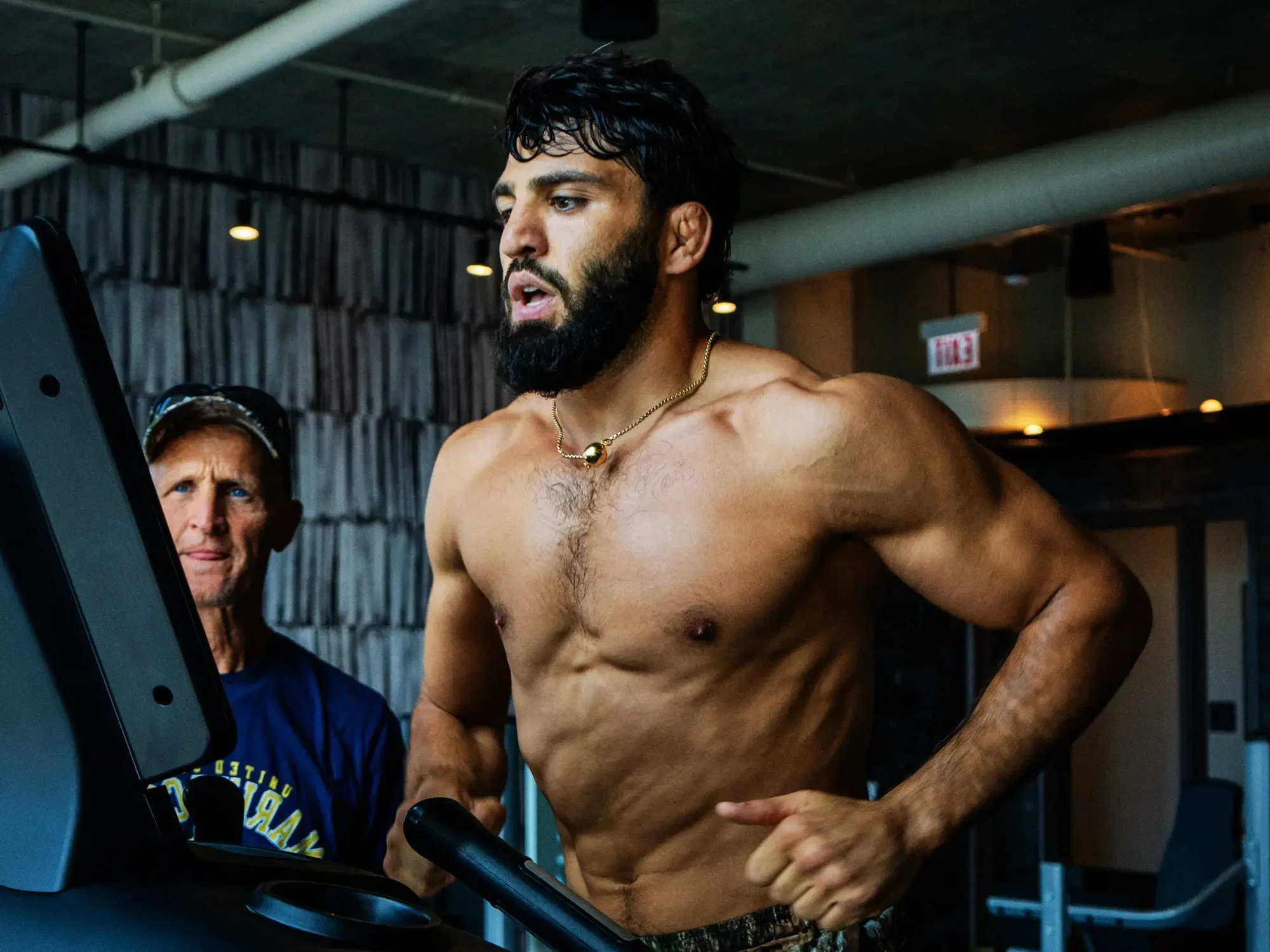
Reporting That Actually Feeds the “Camp Intensity” Thesis
Daniel Cormier’s “bounty” training-room stories (UFC 328 lead-up)
In March 2026, MMA Fighting summarized Daniel Cormier relaying third-hand accounts that Chimaev allegedly pushed elite partners to extreme efforts — Cormier compared the philosophy to paying partners to submit him, calling it Chimaev putting “a bounty on himself.” Whether every detail is accurate matters less for our purposes than the media narrative: maximal stress rounds before a twenty-five-minute title fight.
Overtraining risk has been a public conversation before
Sherdog reported on training-partner concerns about monitoring Chimaev to avoid overtraining. Treat this as evidence that people inside his orbit worry about volume, not as a UFC 328 post-mortem delivered under oath.
Fight-night pacing vs. “conditioning” (coach commentary bridge)
Xtreme Couture coach Eric Nicksick — speaking as Strickland’s coach — has publicly framed part of Chimaev’s risk profile around needing to manage early aggression (“zero to 100”). That is primarily tactics and throttle control, but it dovetails with S&C conversations: if sport-specific rounds rehearse max-output bursts without enough tactical pacing reps, fight night can look twitchy under scorecard pressure.
Sports Science Primer (General — Not Chimaev’s Medical Chart)
Residual fatigue: Heavy eccentric work and high CNS-demand sessions can blunt explosiveness if they sit too close to peak grappling blocks — classic reason strength coaches periodize around competition dates.
Interference: Concurrent training for endurance, power, and skill all at ceiling can yield “busy” camps that feel productive without transferring cleanly to minute-five wrestling exchanges.
Taper & peaking: Five-round MMA rewards athletes who arrive neurologically fresh enough to repeat level changes — something brutal circuits alone don’t guarantee if timing is off.
Again: these are frameworks. Applying them to one fighter without internal load data is storytelling — useful for hobbyists thinking about their own training balance, not for pretending we audited Chimaev’s mesocycle.
The Counter-Thesis (Intellectual Honesty)
Strickland’s upright Philly-shell march and jab volume earned legitimate striking stretches on two cards — a stylistic read our companion breakdown explores in depth. Wrestling-heavy viewers argued Chimaev banked control minutes deserving broader credit. Split verdicts usually mean both narratives have fragments of truth; blaming Treigning Lab exclusively flattens that complexity into gym meme logic.
Takeaway If You’re a PunchCamp-Style Trainee
Most readers aren’t preparing for UFC title fights — you’re juggling jobs, joints, and motivation. The lesson isn’t “skip conditioning”; it’s that skill rhythm matters. Shadowboxing, timed combos, and footwork volume preserve boxing specificity without turning every week into a garage-war survival contest. That’s the niche PunchCamp occupies: structured rounds you can repeat consistently.
DRILL THIS TECHNIQUE
Punch Camp calls out the combos — you follow along on the bag. Train the exact techniques from this breakdown.
Start Training Free →