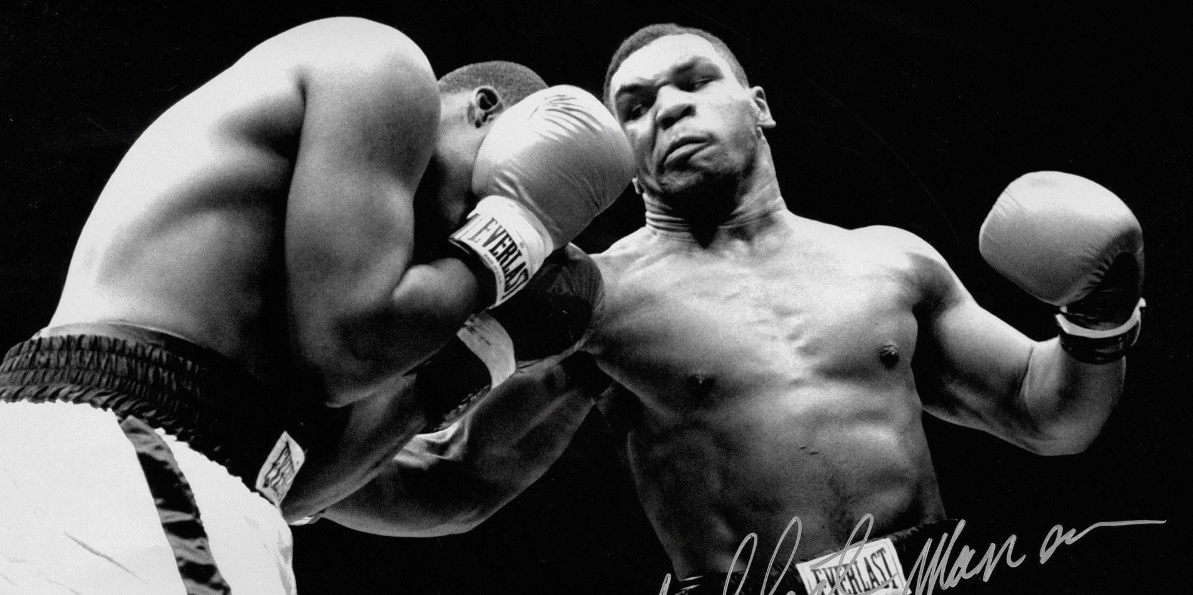
When Mike Tyson walked to the ring, opponents were already beaten. That wasn’t just intimidation — it was the result of a fighting style designed to overwhelm, suffocate, and destroy.
The pressure fighter style is one of boxing’s most exciting and devastating approaches. It’s about constant forward movement, explosive power, and giving your opponent zero time to think.
What is a Pressure Fighter?
A pressure fighter is a boxer who constantly moves forward, cuts off the ring, and overwhelms opponents with volume and aggression. Unlike counter-punchers who wait for openings, pressure fighters create openings by forcing their opponent into uncomfortable positions.
The goal is simple: make them fight your fight. Back them up. Take away their space.
The Peek-a-Boo Stance
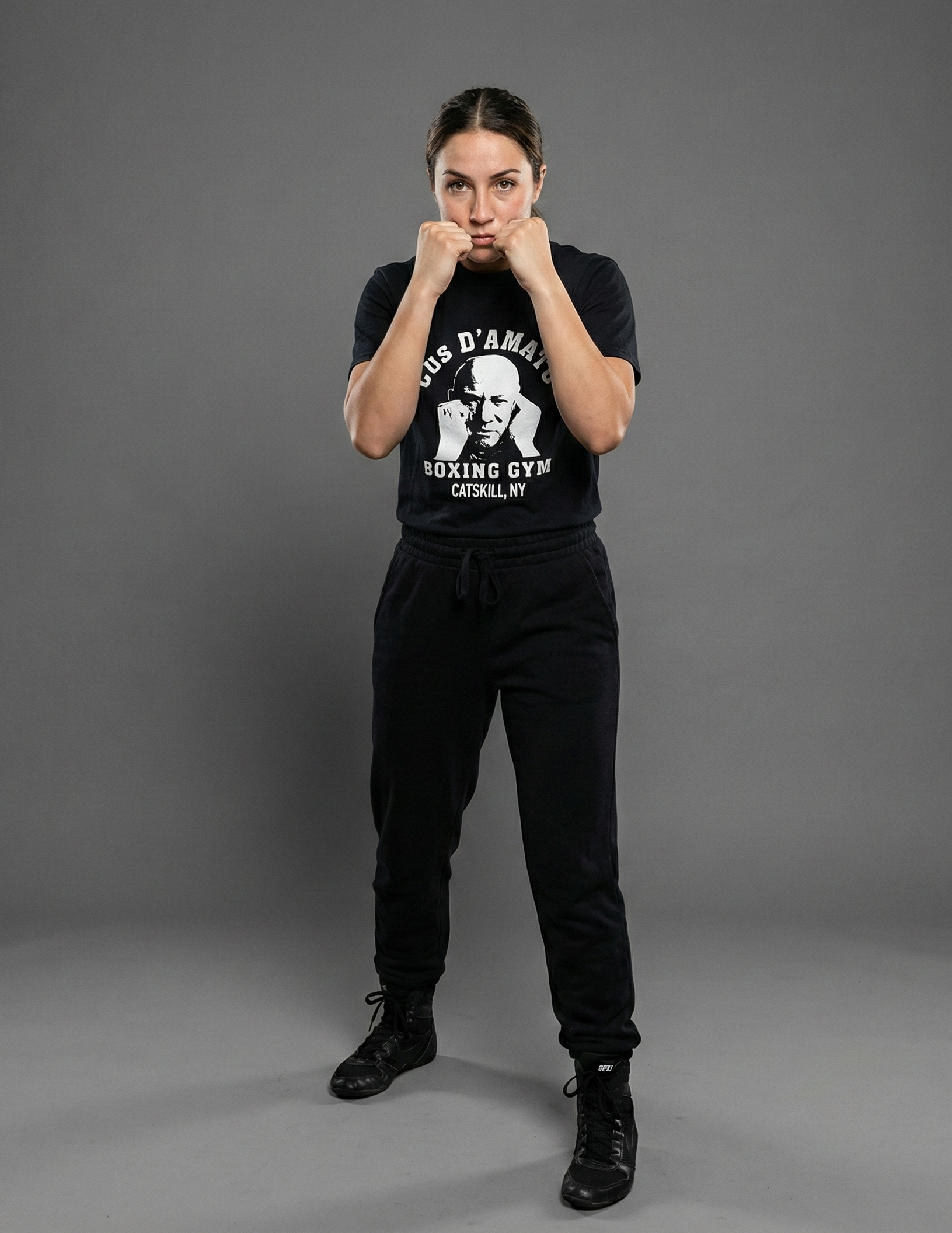
Tyson’s signature stance was the “peek-a-boo” — developed by his legendary trainer Cus D’Amato. It’s perfect for shorter fighters who need to get inside against taller opponents.
Peek-a-Boo Fundamentals
- Hands high — Gloves touching your cheekbones, elbows tight to ribs
- Chin tucked — Look through your eyebrows, not over your gloves
- Knees bent — Stay low and coiled, ready to explode
- Weight forward — Slightly on the balls of your feet
- Constant movement — Bob and weave, never a stationary target
Head Movement: The Tyson Trademark
What made Tyson nearly unhittable in his prime wasn’t just speed — it was constant head movement.
Key Head Movement Patterns
- Slip — Move your head just off the center line (left or right)
- Bob — Bend your knees to duck under a punch
- Weave — U-shaped movement under hooks, coming up on the other side
- Pull — Shift weight back slightly to make punches fall short
Tyson would bob and weave his way inside, slipping jabs and crosses, then explode with devastating uppercuts and hooks.
Signature Tyson Combinations
- The Tyson Classic: 3-5-3 (Lead hook → Lead uppercut → Lead hook)
- Body Destroyer: 5-2-3 (Lead uppercut → Cross → Lead hook)
- Peek-a-Boo Special: 1-1-2-3 (Double jab → Cross → Lead hook)
- Inside Fighter: 5-6-3 (Lead uppercut → Rear uppercut → Lead hook)
The power in Tyson’s punches came from his legs. Every hook and uppercut started with explosive hip rotation. Practice generating power from the ground up — not just your arms.
How to Train the Pressure Fighter Style
1. Master Forward Pressure
In your shadowboxing, practice closing distance constantly. After every combination, take a step forward.
2. Work Your Angles
Don’t just move straight forward — cut off the ring. Step to the side as you advance. Trap them against the ropes.
3. Condition for Volume
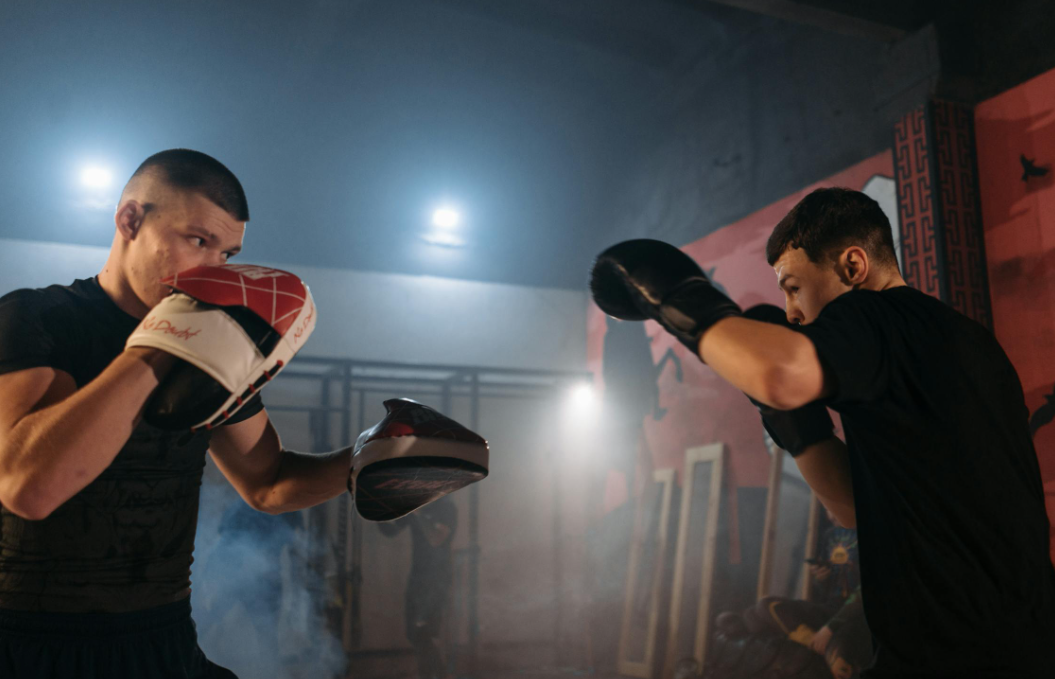
Pressure fighting is exhausting. You need cardio to maintain relentless aggression. Jump rope, running, and high-volume bag work are essential.
4. Practice Combinations, Not Single Punches
Tyson rarely threw single shots. Train to throw 3-5 punch combinations naturally.
Is Pressure Fighting Right for You?
This style works best if you:
- Have good cardio and conditioning
- Are comfortable fighting on the inside
- Have natural power in your punches
- Prefer action over patience
- Are shorter than many opponents (though not required)
“Everyone has a plan until they get punched in the mouth.” — Mike Tyson
The pressure fighter style isn’t just for professionals. With dedicated practice, you can develop the forward movement, head motion, and explosive combinations that made Tyson a legend.
DRILL THIS TECHNIQUE
Punch Camp calls out the combos — you follow along on the bag. Train the exact techniques from this breakdown.
Start Training Free →